What is a Metered Proxy?
A metered proxy implements usage-based pricing charging customers for actual bandwidth consumption, data transfer volumes, or request counts rather than flat monthly subscriptions. Metered billing aligns costs with usage—light users pay less while heavy users pay proportionally more. This pricing model dominates residential and mobile proxy services where bandwidth costs vary significantly and providers pass these costs to customers.
Metered proxies measure traffic in gigabytes (GB), tracking all data transferred through proxy connections including request and response bodies. Providers charge per-GB rates typically ranging from $3-$30 per GB depending on proxy type—datacenter proxies cost least, residential proxies more, mobile proxies most. Usage meters accumulate throughout billing periods with customers paying for consumed bandwidth.
Metered vs Unmetered Proxies
Metered proxies charge based on bandwidth consumption measured in gigabytes. Light usage costs less while heavy usage costs more, providing cost efficiency for variable or unpredictable traffic patterns. Budget control challenges arise as costs scale with usage potentially causing unexpected bills during traffic spikes. Metered pricing suits scraping projects, testing scenarios, and applications with fluctuating bandwidth needs.
Unmetered proxies charge fixed monthly fees regardless of bandwidth consumption. Predictable costs enable accurate budgeting without usage monitoring or overage concerns. Heavy users benefit from unlimited bandwidth at fixed rates while light users overpay for unused capacity. Unmetered pricing suits production applications, continuous scraping operations, and high-volume use cases with consistent traffic.
Metered proxies excel for variable workloads while unmetered proxies suit predictable high-volume usage. Choose metered for cost optimization with uncertain traffic. Choose unmetered for budget predictability and unlimited consumption.
How Metered Proxies Work
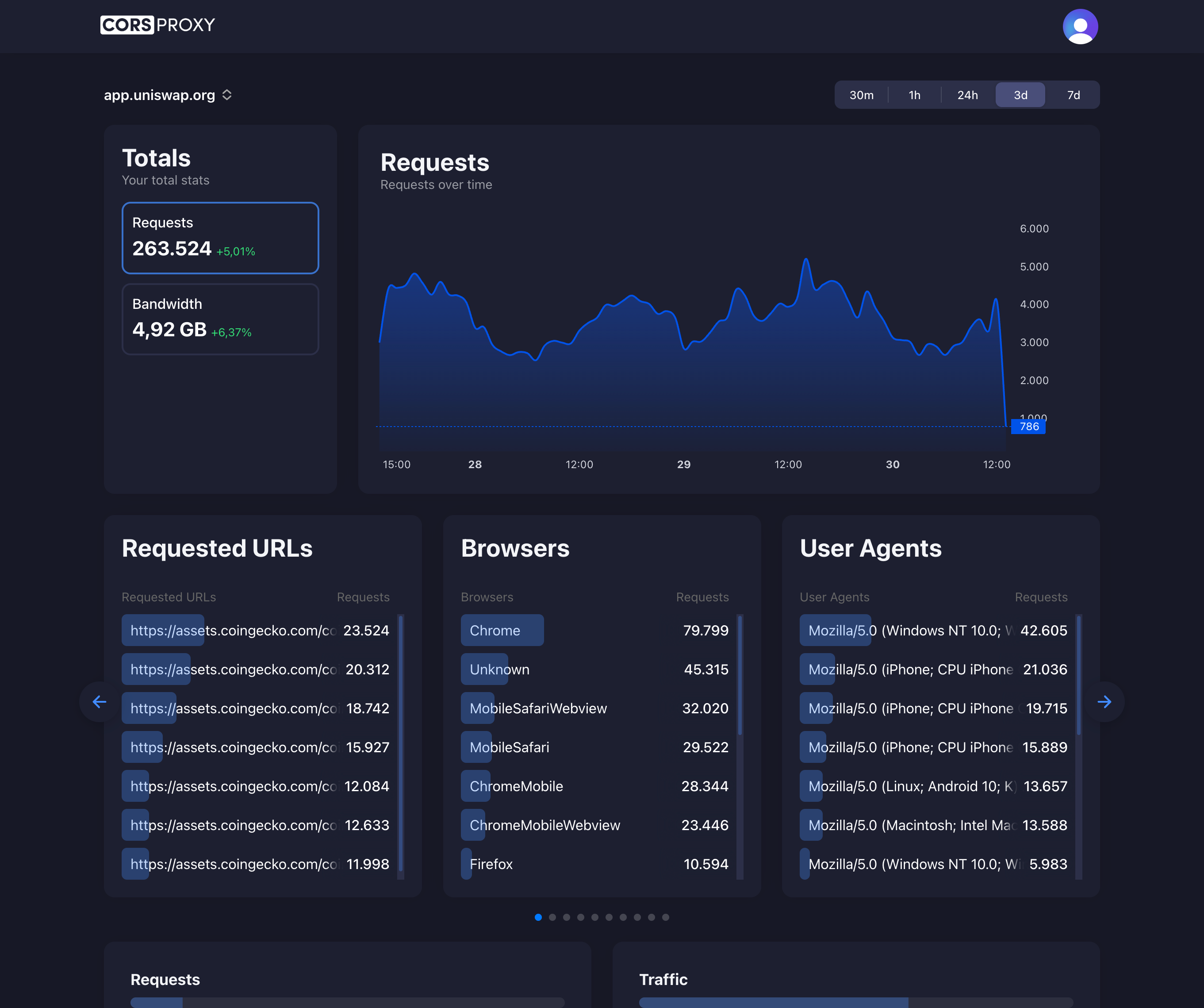
Proxy providers track bandwidth consumption for each customer account measuring both inbound and outbound traffic. Request sizes (headers plus bodies) and response sizes (headers plus bodies) accumulate throughout billing periods. Provider dashboards display real-time or near-real-time usage enabling customers to monitor consumption preventing unexpected charges.
Billing occurs monthly or on prepaid balance depletion. Monthly billing accumulates usage charging at period end. Prepaid balances deduct consumed bandwidth until exhaustion requiring recharge. Overage handling varies—some providers throttle speeds, others suspend service, while enterprise providers continue service invoicing overages.
Rate cards define per-GB pricing across proxy types and geographic regions. Residential proxies typically cost $5-$15 per GB. Mobile proxies command $15-$30 per GB. Datacenter proxies offer lowest rates at $1-$5 per GB. Premium regions (US, UK, Western Europe) often cost more than emerging markets.
Metered Proxy Use Cases
Variable Scraping Projects
Web scraping projects with unpredictable bandwidth needs benefit from metered pricing. Initial scraping discovery phases consume minimal bandwidth testing targets and refining extraction logic. Production scraping scales to full datasets consuming substantial bandwidth. Metered billing charges only for actual consumption avoiding overpayment during low-usage development phases.
Seasonal or campaign-based scraping aligns perfectly with metered proxies. Holiday price monitoring, election data collection, or event-specific scraping requires intensive bandwidth for limited periods. Flat monthly fees waste money during idle periods while metered proxies charge only during active campaigns.
Development and Testing
Developers testing proxy integrations or building scraping infrastructure generate unpredictable, often low bandwidth usage. Metered proxies enable experimentation and testing without committing to expensive monthly subscriptions. Pay only for actual testing traffic avoiding overpayment for development environments.
Cost Optimization for Light Users
Individual developers, small scraping operations, and occasional proxy users benefit from metered pricing paying only for actual consumption. Monthly bandwidth needs below 10-50 GB often cost less with metered proxies than minimum unmetered subscriptions. Cost-conscious users optimize spending through usage-based billing.
Budget-Conscious Operations
Startups and small businesses lacking budget certainty prefer metered proxies enabling cost control through usage management. Monitor consumption adjusting scraping intensity or frequency controlling costs within budget constraints. Metered flexibility prevents over-commitment to expensive flat-rate subscriptions.
Multi-Project Environments
Organizations running multiple independent scraping projects allocate proxy costs per project through metered usage tracking. Internal chargeback systems assign bandwidth costs to respective projects rather than absorbing costs centrally. This cost allocation enables project-level budget management and cost optimization.
Using Metered Proxies with CorsProxy
CorsProxy provides transparent metered proxy access without pre-purchasing bandwidth or managing quotas:
// Pay only for actual bandwidth consumed
const response = await fetch(
  `https://corsproxy.io/?url=${encodeURIComponent('https://api.example.com/data')}&key=your-api-key&type=residential`
);

const data = await response.json();
// Automatic usage tracking and billing
This approach provides metered proxy benefits—pay-per-use pricing, no minimum commitments, cost proportional to consumption—without prepaying for bandwidth or managing multiple proxy provider accounts.
Metered Proxy Providers
Bright Data
Bright Data offers comprehensive metered pricing across residential, datacenter, ISP, and mobile proxies. Pay-per-GB rates range from $3-$15 per GB depending on proxy type and plan. Volume discounts reduce per-GB costs for committed usage. Enterprise plans negotiate custom rates for massive bandwidth consumption.
Smartproxy
Smartproxy provides metered residential and datacenter proxies with competitive per-GB pricing. Starter plans begin at higher per-GB rates while committed plans offer discounts. Unused bandwidth doesn’t roll over—purchase additional bandwidth as needed rather than losing prepaid balances.
Oxylabs
Oxylabs offers enterprise-grade metered proxies with custom pricing for high-volume customers. Their pay-as-you-go model includes residential, datacenter, and mobile proxies. Monthly invoicing accommodates large enterprises preferring payment flexibility over prepaid models.
Metered Proxy Pricing
Residential metered proxy pricing averages $5-$15 per GB across major providers. Premium features (sticky sessions, country targeting, carrier selection) may increase per-GB rates. Volume discounts reduce costs—10 GB purchases might cost $12/GB while 1000 GB purchases drop to $6/GB.
Mobile metered proxies command highest rates at $15-$30 per GB reflecting expensive mobile carrier bandwidth and SIM card costs. 4G/LTE authenticity and detection resistance justify premium pricing for sneaker bots, social media automation, and mobile-first applications.
Datacenter metered proxies offer most affordable rates at $1-$5 per GB. Lower infrastructure costs and easier IP procurement enable aggressive pricing. Datacenter proxies suit high-volume operations accepting detection trade-offs for cost efficiency.
Best Practices for Metered Proxies
Monitor bandwidth usage continuously preventing unexpected charges. Provider dashboards track consumption in real-time enabling proactive adjustments. Set usage alerts warning when approaching budget thresholds allowing traffic throttling or project pausing before overage charges accumulate.
Optimize request efficiency minimizing unnecessary bandwidth consumption. Compress request/response bodies, cache responses client-side, filter unnecessary data fields reducing transferred bytes. Each optimization translates directly to cost savings under metered billing.
Choose appropriate proxy types for specific tasks balancing cost and requirements. Reserve expensive residential/mobile proxies for detection-sensitive operations. Use affordable datacenter proxies for high-volume operations accepting detection risks. Mixed strategies optimize total costs across diverse requirements.
Implement retry logic carefully avoiding excessive failed request charges. Failed requests consume bandwidth without delivering value. Intelligent retry strategies with exponential backoff, circuit breakers, and error classification minimize wasted bandwidth on futile retries.
Advantages of Metered Proxies
Cost efficiency for variable usage as payment scales with actual consumption. Light months cost less while heavy months cost more, aligning expenses with value delivered. This flexibility suits projects with seasonal patterns, irregular schedules, or unpredictable bandwidth needs.
No minimum commitments required enabling small-scale experimentation without large upfront costs. Start with minimal bandwidth testing feasibility before scaling to production volumes. This low barrier to entry democratizes proxy access for individual developers and small teams.
Transparent billing as usage tracking provides complete visibility into bandwidth consumption. Understand exactly what costs and why, enabling data-driven optimization decisions. Detailed usage reports support cost allocation, project budgeting, and efficiency analysis.
Pay-as-you-grow scalability accommodates rapid growth without renegotiating contracts or changing providers. Simply consume more bandwidth paying proportionally more as operations scale. This operational simplicity reduces administrative overhead managing proxy infrastructure.
Limitations of Metered Proxies
Unpredictable costs complicate budgeting as bandwidth consumption varies monthly. Traffic spikes, scraping target changes, or data structure modifications unexpectedly increase bandwidth usage and costs. Budget uncertainty challenges financial planning and cost control.
Higher per-GB rates compared to bulk unmetered pricing mean heavy users pay premium rates. Operations consuming hundreds or thousands of GB monthly often pay more with metered pricing than equivalent unmetered subscriptions. Cost efficiency reverses at high usage volumes.
Usage monitoring overhead requires continuous attention tracking consumption and costs. Unlike unmetered set-and-forget subscriptions, metered proxies demand active management preventing overages. This operational overhead diverts attention from core project goals.
Potential overage charges if prepaid balances exhaust unexpectedly halting operations mid-project. Service interruptions damage user experience, delay data collection, and complicate operational continuity. Careful balance management and low-balance alerts mitigate risks.
When to Choose Metered Proxies
Choose metered proxies for variable or unpredictable bandwidth needs where usage fluctuates significantly. Seasonal projects, campaign-based operations, and development/testing scenarios benefit from paying only for actual consumption without wasting money on unused capacity.
Use metered proxies for light bandwidth consumption under 50-100 GB monthly where per-GB rates beat flat subscription minimums. Individual developers, small scraping projects, and occasional proxy users optimize costs through usage-based billing.
Skip metered proxies for consistent high-volume usage exceeding 200-500 GB monthly where unmetered subscriptions provide better economics. Predictable heavy usage benefits from flat-rate unlimited bandwidth avoiding premium per-GB charges and usage monitoring overhead.